To Catholics, faith is rooted in having an intimate, profound, lively and maturing relationship with God. Faith resides within the will, in our choosing to believe in God and in the truth He has revealed to us, no matter how we are feeling or how our thoughts might mislead or confuse us. But sometimes we can struggle to maintain faith when our emotions and intellect provide no rewards for our efforts. If we don’t feel close to God, how can we keep the relationship going? If we don’t think clearly about God, how can we live according to those truths? During periods of stagnation and dryness, faith is truly tested. What can we do during these times?
First, it’s important not to despair. Not having a strong, positive emotional response to prayer or to matters of faith does not necessarily mean one has a poor or weak faith. Being confused, distracted and muddled in one’s grasp of the truths of faith does not condemn someone to being “in the dark” for their lifetime. If faith resides in the will, then the quality of our faith is not dependent upon the state of our emotions and intellect.
However, this does not mean we simply resign ourselves to the situation of stagnation/dryness and accept it as “just the way things are.” God truly desires a relationship with us as whole persons—He seeks to draw us into an intimate communion with Him that engages our will, intellect, emotions and body. That’s how he made us—as embodied souls. We are designed to be in harmony within ourselves and to allow our complete self to surrender to the love of God.
“You never go away from us, yet we have difficulty in returning to You. Come, Lord, stir us up and call us back. Kindle and seize us. Be our fire and our sweetness. Let us love. Let us run.”
St. Augustine
Sometimes, in order to call forth and purify our motives, God withholds the consolation of emotions and intellect for a period of time. That is something we can discern with the guidance and support of a good spiritual director. If God is using this period for your greater good, then God is inviting you to wait patiently for a sign from Him—for a “thawing” of the soul’s winter or a glimmer of light in the soul’s darkness. But, usually, I think God wants us to “work out” and “work through” these periods—taking an active role in the battle of the spiritual life. Here are some suggestions for how to respond to periods of stagnation and dryness.
My first suggestion is to consciously develop the capacity called “interiority” so that periods of stagnation and dryness can be recognized and diagnosed. When we are insufficiently aware of our interior state, we can go for days, months, even years without ever stopping to examine how we are doing in our walk with the Lord. Do we fill our days and nights with so much busy-ness and distraction that we fail to even notice the dryness, the stagnation, the lack of life within our souls? Do we face a crisis and then come to the startling realization that we have no spiritual resources to rely upon? So many people seem to go through life, refusing to face the truth that every person, no exceptions, will face trials, suffering and crises—God gives us the resources and admonishes us to prepare for these moments, but many of us never do.
I remember one of the most difficult phone calls I ever took was from a young man at the bedside of his dying father. He called the parish in a frantic state, and I happened to be in the office at lunch and picked up the phone. “Can you help me,” he exclaimed, “My father is dying and asked me to pray for him. I can’t remember the Our Father! I haven’t prayed it in years. He wants me to pray for him!” I led him through the prayer over the phone and assured him of my prayers for him and his father. I encouraged him to contact the chaplain at the hospital and he ended the call. I closed my eyes right then to pray for that young man, who discovered too late that he had failed to hold onto the faith that would see him through the hard times. I prayed to the Lord to give me the grace I needed to prioritize Him, so that when I faced a crisis I would have the bedrock faith to see me through it.
I wonder if our lack of interiority, and the distractions we allow to keep us from working on our relationship with the Lord, are the most effective tools the devil has for taking us off the narrow path to heaven. Most of us are probably incapable of having our souls filled with hatred of God and the rejection of His love. But might many of us be quite susceptible to being kept distracted, discouraged and defeated so that we fail to cling to God’s love? We may be on the path to hell by default, not by actively choosing it—but the fact remains that we are not making any effort to change directions, to get off the wide and easy path away from God. God’s love demands a choice because it is offered within a covenant relationship—we don’t “accidentally” commit to a covenant. It involves consent, sacrifice, and effort.
Developing interiority takes focused and conscious effort over a lifetime. It means making the hard decision to carve out times of silence and reflection. It means refusing to give in to the myriad distractions that threaten our peace and seek to dislodge God as first in our hearts. It means developing the maturity to admit that avoiding problems doesn’t make them go away. Interiority isn’t about peaceful meditations with candles and soft music.
“Build an oratory within yourself, and there have Jesus on the altar of your heart.”
St. Paul of the Cross
Interiority is about being comfortable and trusting enough with God that one can be still and listen. When we are afraid of hearing a hard truth, a challenging command or a life-changing diagnosis from God, we might be tempted to ‘fill the lines with chatter’—not letting God get a word in during our prayer. Then we wonder why prayer feels so empty and dry and unsatisfying. The truth is, we’re not praying at those times: we’re performing a soliloquy for our own amusement and justification. God mercifully withdraws to help us come to our senses and repent. In this situation, the resolution of stagnation and dryness comes about when we recommit to Christ—when we put Him first in our choices and actions, not just in vague promises to “do something about our faith” when we find the time.
Another common reason for periods of stagnation and dryness can be unconfessed sin. Our prayer life is intimately wound up in the life we actually lead. If we live the life of a hypocrite—saying we love God but choosing to act in ways that exalt self and reject His laws—then prayer becomes tiresome, odious and inconsequential. Prayer is intimate communication with God. The unrepentant sinner does not really want to hear from God, for that would require conversion of heart and mind and actions. If we don’t really want God to communicate to us, then prayer becomes an empty show, a “going through the motions” that skims over the surface of our lives.
God has called us into a covenant relationship with us so that He can give us new life, re-making us in the image of His divine Son. Sometimes we find out, to our horror, that God actually takes our relationship with Him seriously—so seriously that He is eager and willing to take away from us everything that keeps us from Him. Everything! “Wait a minute,” we might protest, “I didn’t want a wholesale makeover, God! I just want a bit of relief and pleasure and affirmation by praying to You—just slow down, Lord!” We might say we want to live as a true Christian disciple-until we realize that means giving up that favorite addiction, that recurring sin, that “freedom” to determine right and wrong for ourselves, that “control” over our life that gives us a sense of power. Rather than submit to all that, we might make our prayer time a time of self-congratulation, thanking God that we are “not like other men” we notice—the “Hey, I’m doing okay, I haven’t killed anyone recently” attitude. When we see God eagerly coming for us with hands outstretched, ready to undo, cleanse, purify and refashion—we back away. Better dryness and stagnation than repentance!
Sometimes the best way God can shake us out of this attitude is to allow our sins and vices to come to full fruit—so that we can see the horror we are making of our lives and the harm we are causing others. Then, we turn to God and cry out for help—the help He had wanted to give us from the very beginning of our downward spiral. Facing moral failings, vice and serious sin that harms our relationship with God can bring us out of a period of stagnation and dryness as we cooperate with His grace—and find, to our delight, that everything we clung to with such ridiculous tenacity was truly “rubbish” compared to the delight of loving and being love by God!
“When the sense of smell in one’s soul is healthy, then we can immediately perceive the stench from our sins.”
St. Augustine
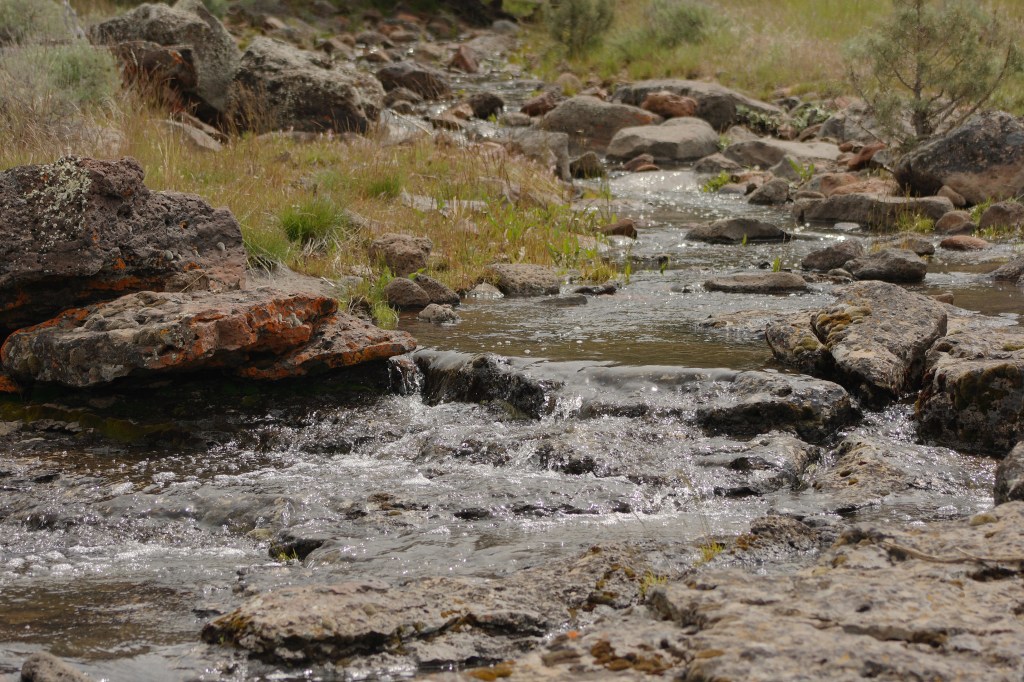
In other cases, we might prayerfully discern that there is no serious sins or vices that we are withholding from the Lord; yet we still face dryness and stagnation in our prayer. It leaves us panting and crying out in thirst to the Lord. In these times, our task is to humbly wait for God’s initiative and leadership. This may very well be a period of maturation, purification and strengthening. God may be working deep within our souls, bringing about a healing of an old and serious wound. We can think of this time of dryness and stagnation as God the “Divine surgeon” mercifully “putting us to sleep” as He probes the wound and clears out the infection. We will awaken to new life and restored health when God discerns the surgery successful and completed.
What do we do during these times? Choose to persevere and endure in our devotions and practices of the faith. Our faithful endurance, when we receive no spiritual consolation or emotional benefit, can be like “rehab” after surgery—it’s no fun to go through, but we know it will bring us what we truly desire: restored functionality and thriving health.
It takes humility to accept God’s work “behind the scenes” of our own life. If we pridefully resent the fact that we feel “ignored” or not consulted, we can become susceptible to Satan’s temptation: “Your prayer is so stagnant because God is drawing away from you and doesn’t want what’s best for you, be careful! Protect yourself before you lose your identity and self-determination!” These lies from the devil can lead us to doubt God’s goodness and intentions—and even His very presence in us.
The truth is, God as our loving Father will never abandon us or leave us. He sent His Only-Begotten Son into the world so that we would know Him as “Emmanuel”—God with us. When we don’t “feel” His presence, then this is an invitation to change our perspective and deepen our trust. God didn’t leave us and isn’t further away from us, maybe He is so deep within us that we cannot sense His presence. In the very depth of our soul, deeper than we go, God might be working out a healing that we will only recognize later.
My undergraduate degree in Horticulture provides a useful analogy. In the Winter, it appears that deciduous trees (those that lose their leaves in the Fall) are in a state of inactivity akin to death. They aren’t “doing anything” that we can notice—and so we think of Winter as a time of stagnation and non-growth. Horticulturalists have actually discovered that Winter is a time of incredible growth for deciduous trees—but it’s all underground! Winter is the time trees engage in a tremendous amount of root growth—providing the tree with the means to gather up more water and more nutrients to support the growth of leaves, flowers and fruit in the Spring and Summer. This hidden growth supports visible growth later.
Perhaps our periods of apparent dryness and stagnation are like the “Winter” of our souls—when God causes hidden growth within us that will later blossom into active and fruitful discipleship. The key for us? Trust in God, abandonment to His Divine plan and methods and timing. Offer God frequent acts of trust and take the opportunity to “rest” in the Lord. These practices prepare us for “optimum growth” when Spring arrives in our souls.
The isolation and desolation we experience from these periods of dryness can purify our souls if we allow God to work through these times. Why do we believe? Why do we serve God? Who do we love? When God, in His mercy, sends us spiritual consolations and “mountaintop experiences,” they can inspire us to love more deeply and give more of ourselves to Him. At the same time, we can begin to cling to the emotional pleasure and the affirmation as if they were the ends of prayer. We can puff ourselves up with pride about the level of our devotion and intensity of our faith. We can seek out ever more powerful emotional “highs” as the purpose of our discipleship in Christ. Periods of stagnation and dryness provide a necessary corrective to these tendencies and temptations we all experience.
“It is easy to be consistent for a day or two. It is difficult and important to be consistent for one’s whole life. … Only a consistency that lasts throughout the whole of life can be called faithfulness.”
St. John Paul II, Address on Jan. 26, 1979
When we worship God whether it “feels good” or not, we can grow to love God more for His own sake. When we live our faith even when it seems to get a universal “ho hum” from God and those around us, we purify our motives and goal. We can truthfully say we seek to glorify God, not ourselves. We can truthfully say we love God as God, not for how He makes us feel. God doesn’t want us miserable, but He does want us perfect—and when we allow Him, He will do whatever it takes to achieve that goal. From the other side of that period of dryness and stagnation, we will rejoice at the growth, the healing, the perfecting of our souls that the Master has accomplished. God never ruins the vessel put in His charge: He knows what He is about.
Other times, periods of stagnation and dryness might be an invitation from God to pursue Him. He is the bridegroom of our soul, the Lover who romances us, His beloved. The dance and adventure of seduction is never one-sided. God initiates, of course, but He welcomes our participation—in fact, as a true “gentleman,” He waits for it. When our relationship with God seems to stall and become dry—perhaps it is God’s way of encouraging us to seek our heart’s desire, to go out and find our Love. Responding to this kind of dryness and stagnation involves seeking ways to ‘spark’ the romance—the “second honeymoon” in our relationship with God. Love diminishes and grows cold when it becomes a rut or crutch that leaves us only going through the motions. Familiar routines give comfort to our life, but they also can lead to staleness and boredom—this can be true in our relationship with God as well.
Love grows when we pursue the One we love, not the feelings of being in love. How do we pursue God and romance Him? By putting God first, by carving out time and activities that bring us into His Presence. By renewing, rediscovering, and recommitting to the covenant He made with us. By letting ourselves be loved, cherished, value and enjoyed by One who loves us. By being quiet and still and responsive to the God who loved us into existence and is loving us to eternity.
“…to be loved by God, not merely pitied, but delighted in as an artist delights in his work or a son–it seems impossible, a weight or burden of glory which our thoughts can hardly sustain. But so it is.”
C. S. Lewis
I had just this kind of “second honeymoon” experience during a holy hour. On my 2013 walking pilgrimage from Eugene to Salem, the halfway point was the city of Corvallis where I spent the night at St. Mary Church. During my stay, I went into the Blessed Sacrament chapel and knelt down in prayer before the Lord. I had been overwhelmed earlier that day with a realization of the wickedness and evil that had enslaved me in my past. I wept before the Eucharistic Presence, and expressed my heartfelt sorrow. I had been so careless with my faith, so presumptuous in my attitude, so prideful in my decisions. “Oh God, I am so sorry,” I spoke into the pregnant stillness of the room. I heard the Lord respond back, in the broken-open center of my heart, “Shh. Just let me love you. I loved you then. I love you now.”
Time stopped, my heart pounded, and I held my breath. I relaxed into the love of my Creator, exhausted and broken open, wounded and battered, and I realized in a way that had I never experienced before, that I was God’s beloved. He loved me so much as I knelt before Him with my contrite, repentant heart. But He didn’t love me any less those many years before when I was caught up in my sin and rebellion. His steadfast merciful love brought me to this moment—His love wasn’t a reward he withheld until I got my act together. I picked up my Bible. It fell open to Romans, chapter 8, and my eyes were drawn to the first verse: “There is no condemnation for those who are in Christ Jesus.” No condemnation. Just love. Just healing. Just Presence. I experienced a renewal, a re-awakening of my life with my Beloved—it began a “second honeymoon” in my faith that sustained me in future challenges.
The final lesson about periods of dryness and stagnation concerns our brothers and sisters in Christ. Perhaps God is leading us through a “desert” time in order to break through our attitudes of independence and self-sufficiency. Perhaps God is inviting us to be humble and ask for help. When God gave us new life at our Baptism, He didn’t just remake us into His beloved child. He also brought us into His family: the People of God, the company of disciples who follow His Son, Jesus Christ.
Membership in God’s family seems a rather important matter to God, not simply an efficient way of piling us all together so He can better keep track of us. He calls us members of the one Body of Christ—united to each other as cells in a body, not as separate grains of sand on the beach. We are designed for interdependence, for harmony, for cooperation. We are called to support one another, to call out the best in each other, to instruct and admonish one another. That all sounds good when we’re the ones doing the instructing and admonishing, but heaven help the person who tries to teach or correct us! We long for help, but we don’t want to admit that we need it!
Asking for and receiving the support of others can be both the sweetest and the most uncomfortable experience as a Christian. In that dynamic tension, humility grows. As humility flourishes, we can finally let go of the tiresome charades and “acts” we put on to impress others. We realize that no one who really knew us was convinced anyway—our “act” just hid us from ourselves! Now that we face the truth, we can find the joy both in serving and being served. In giving and receiving. And we finally can live in the love that unites giver and receiver in the depths of God’s great heart.
Periods of dryness and stagnation can be the impetus that moves us to call out for help. The support and guidance we receive from others—both those living with us on earth and those residing in the glory of heaven—is a mighty instrument of God’s grace. When we ask for help, God rejoices, the Body thrives and functions to a fuller capacity, and we are renewed. God affirms that the members of His body are not in competition with one another for His love or His glory. When we forget ourselves (this is the essence of humility: self-forgetfulness, not having a lower opinion of yourself), we can put away all these silly notions of competition, of being better or more important or more successful. Just as cells of the body do not compete with other to bring about vibrant, thriving health, so it is within the Body of Christ. Those cells that outcompete others in the human body are usually cancerous. The same is true in the Body of Christ.
“We have to be patient with everyone, but first of all with ourselves.”
St. Francis de Sales, Letters, fragment 139
Catholics are encouraged to view periods of stagnation and dryness as invitations from God. They are not shocking indications of a poor and weak faith. They are not calamities or tragedies that should lead us to despair. They are invitations from God to “work out our own salvation in fear and trembling” (Phil 2:12b). Our first approach is to examine our conscience and discern if this period reflects unconfessed sin or a vice which needs healing. If not, we may discover that this period is an invitation to allow God to do some deep, hidden work in our souls. On other occasions, we might discern that this period is God’s invitation to pursue Him and “re-ignite” our romance with the One who loves us beyond all telling. Finally, a period of stagnation or dryness might be just the impetus we need to more fully commit to being a member of the Body of Christ—by humbly allowing others to support and help us on the journey to heaven.
My final thought about periods of stagnation or dryness? That they are periods—a moment in time that will surely end. In heaven, we will hunger and thirst no more. In heaven, we will be freed from every weakness, limitation and inclination that veils the love of God in our souls. We will love as we are loved.
 Flourish Catholic