After high school, I made the decision to attend Oregon State University and major in horticulture. I had become captivated with growing flowers and vegetables through the gentle tutelage of my beautiful third grade teacher, Mrs. Pavelek, who led a 4-H horticulture group for kids. My father helped me dig a garden in our backyard, and my sister and I spent many happy hours selecting the plants, nurturing them and enjoying the fruits of our labor. One of my fondest memories of summer was getting a pot of water to boil on the stove, running outside in my bare feet to the garden and picking several ears of corn. Eating corn slathered in butter that had been growing in the warm summer sun 5 minutes ago is a true blessing. In high school I worked at a nursery in Salem, Oregon. I loved transplanting the seedlings and taking care of the plants. Well, I graduated with a Bachelor of Science in Horticulture, then promptly went to work for the Church! But I guess I am still in the business of nurturing—just faith, not flowers.
This Sunday’s Gospel brought all these memories flooding back to me. Jesus speaks to His apostles at the Last Supper about their role in God’s plan: “I am the true vine, and my Father is the vine grower. … you are the branches” (John 15:1, 5). We are connected to Jesus in the intimate, dependent way that branches are to the vine. The Father cares for us so that we can bear fruit. He “prunes” us, Jesus says, with His word—words that ‘snip out’ of our hearts the lies, the darkness, the temptations that make our lives unfruitful, unproductive. God is not interested in competing with us or in making us compete with each other for His love. No, God is seeking our good, God is glorified and magnified by our productivity. Everything we do is accomplished only because we are connected to Him, dependent on Him, united with Him. In fact, Jesus tells us bluntly: “without me you can do nothing” (John 15:5).
Don’t we just want to tell Jesus, “Wait, nothing? Without you we can do nothing? Can’t I accomplish anything on my own? Haven’t I proven that I can get by okay without you most of the time—I really just need to call on you when things get out of hand, right?” But Jesus speaks the truth. Jesus IS the truth.
Without Him, we can do nothing. Everything is grace. Everything we possess, everything we are, everything we desire to accomplish, is only possible because He gave us everything in the first place. But what do we consider good fruit? Perhaps the things we focus on in terms of bearing fruit for the kingdom is quite different from God’s perspective on fruitfulness. It’s worth pondering, isn’t it.
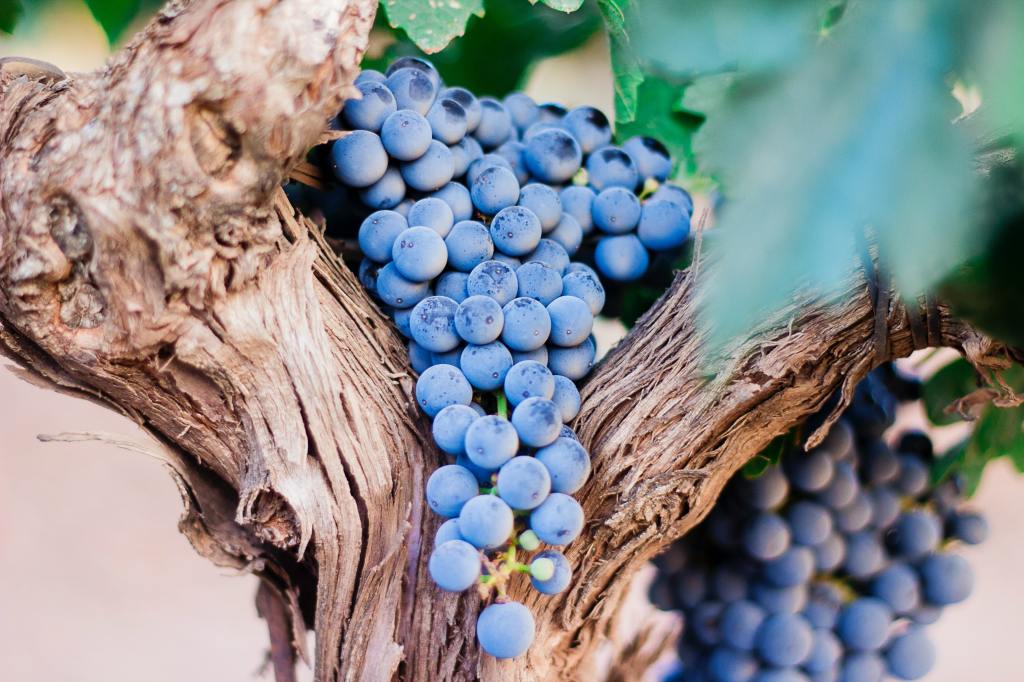
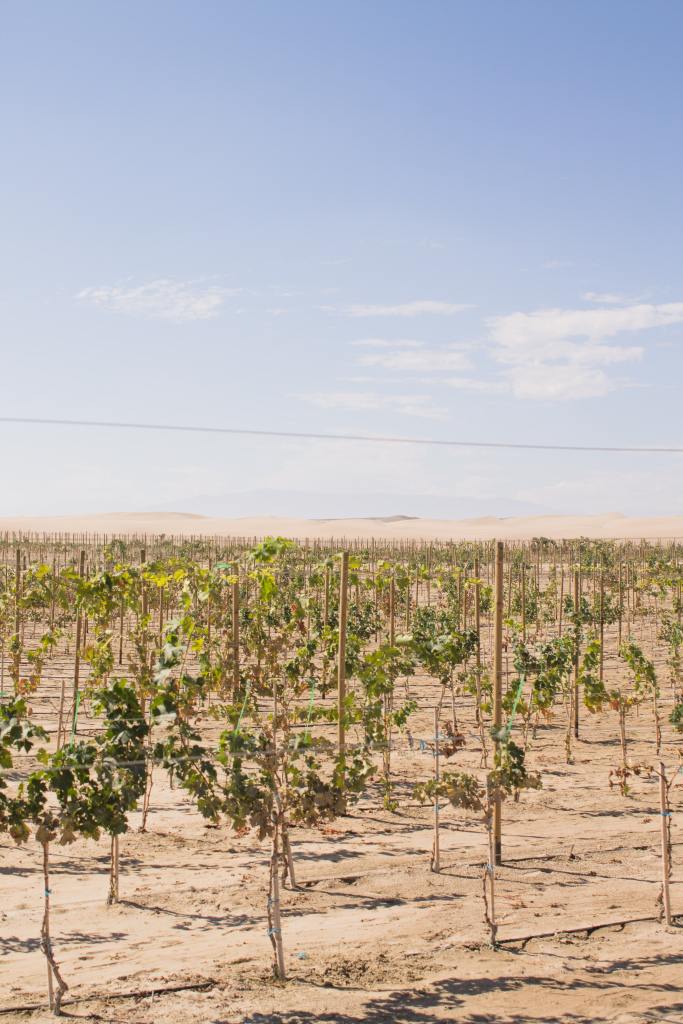
A dear friend has walked the Camino in Spain multiple times, having had the privilege of taking both of her adult girls with her and also traveling with dear friends. She told me a story that helped me understand God’s vision about us bearing fruit. She had finished her day’s walk and went to find food in the village. She struck up a conversation with a local gentleman. The man said he owned a small vineyard on the edge of town. My friend remembered walking by it on the pilgrimage trail. The man smiled at her and told her the vineyard had been in the family for generations. She commented to him how hard it must be to have the vines struggling so much, for they had appeared to be almost withered, with a sparse covering of leaves and small clusters of grapes. Was he worried that the vines would die? He laughed heartily and told her no, the vines looked exactly as they should appear. Then, with a twinkle in his eye, he told her, “It’s the struggling vines that produce the sweetest fruit.”
It’s the struggling vines that produce the sweetest fruit. What a different vision of productivity! What a different way to look at the role of the grower! Just like the owner of the vineyard, God isn’t interested in the lushness of soft growth that looks spectacular, but will whither and disappear with the first storm or frost. God doesn’t care how “big” and fast we grow to win the admiration of others. God wants fruit. God knows that the purpose of the branch is to bear fruit—and He is seeking fruit that is sweet and satisfying.
When we look at the lives of those we admire or seek to emulate, sometimes we are enamored about the wrong things—the “lush” growth that looks lovely, even if it supports no fruit. Isn’t that what our culture puts before us as the successful ones? We see those who are beautiful, those who are wealthy, those who have power, those who wield influence and win the admiration of other beautiful, wealthy and powerful people. That’s a fruitful life, we might think. Lose 25 pounds—that’s productive! Make more money than you need, and spend more money than you have—that’s productive! Wield your power to humiliate, demean and divide and so make yourself feel more powerful than those you attack—that’s productive!
And then we get judged by our fellow branches on the vine as well. What do you mean you haven’t memorized entire chapters of the Bible? You haven’t brought anyone new to Mass with you in how many weeks? Don’t you pray this prayer or haven’t you read this book or aren’t you a friend of this powerful leader? We compare ourselves, we come up short, we feel discouraged and unproductive and useless.
But what if it IS true that the struggling vines produce the sweetest fruit? What if the trials and crosses, the burdens and challenges, the weakness and struggles allow us to bear the fruit that God truly desires, by which “the Father is glorified” (John 15:8)? This puts a whole new perspective on where we seek for fruitfulness in our lives. We don’t have to apologize for our weaknesses—when we wanted to triumph like a hero but ended up feeling like the squeaking mouse. We don’t have to be embarrassed about our failures—when we wanted to do something great for God but it just fell flat. We don’t have to write ourselves off because we don’t have the talent, the courage, the support, the drive to be great and to do great things.
If we believe God, then we experience fruitfulness in places of weakness, vulnerability, and smallness. These are the places where we bear the sweet fruits of virtue, of holiness—the sweetest fruit God seeks from your life is love. He’s going to prune us. He’s going to allow us to struggle. But He’s going to keep us united with Him. And when we bear the sweet fruit of the Kingdom, the fruit of humility, peace, gentleness, meekness, modesty, mercy, goodness, faithfulness, purity, honesty, generosity, and more, we will have the incomparable delight of satisfying the hunger of God. What hunger of God could you possibly satisfy? God’s hunger for your love—the fruit He yearns for but cannot have without your permission. What fruit could be sweeter than to know that we bring delight to our Creator?
Never imagine that just because your life is best described as a struggling vine in God’s vineyard it means that you are not loved and cherished by God. That you have failed at your purpose, that you have failed Him in some way. No. He has pruned you so as to bear the sweetest fruit—so that “my joy may be in you and that your joy may be full” (John 15:11). Trust in the vine grower, remain connected to the Vine. Draw your nourishment and strength from God, don’t rely on your own resources. Offer the fruit of your life to glorify and delight the God who created you, the God who cares for you, the God who draws you into deeper union with Himself.
 Flourish Catholic