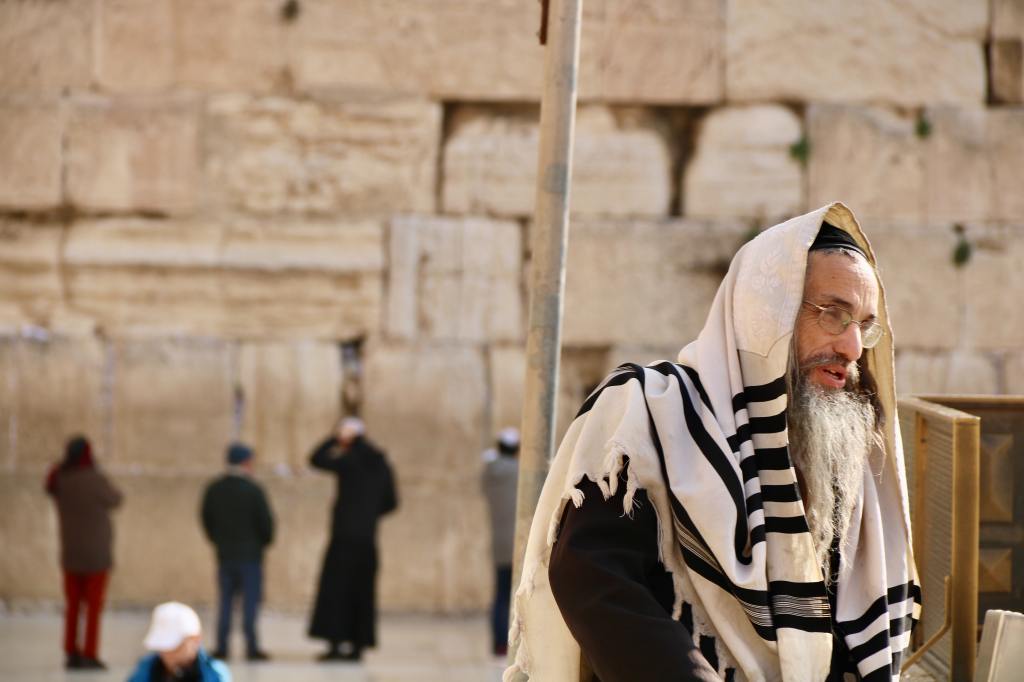
King David, after winning peace for his kingdom and nearing the end of his life, charges the leaders of Israel to help his son construct a Temple in honor of the Lord God. In this Temple, the Ark of the Covenant would dwell, gathering all people of the Covenant to worship as one community. David calls together the craftsman and other leaders and tells them, “Arise and be doing! The Lord be with you.” Later he counsels them, “Now set your mind and heart to seek the Lord your God, so that the ark of the covenant of the Lord and the holy vessels of God may be brought into a house built for the name of the Lord” (1 Chronicles 22:19).
“Arise and be doing!” We would do well to mind King David’s words. Filled with God’s Holy Spirit, we must arise and be doing! The Holy Spirit, the mighty Paraclete who is our counsellor and advocate, animates each member of Christ’s mystical Body. Filled with the power and authority of the Holy Spirit, God designed us for action. We are not intended to be spectators who stand by and watch others’ efforts. We are not intended to be judges who evaluate, criticize and rank the contributions of others. We are not intended to be ‘freeloaders’ who take and receive with no thought of also contributing and serving.
Arise and be doing! But what? What are we supposed to do? The quick answer, of course, is we are called to love one another as Jesus loves us (John 15:12, 17). This is the great command He gave us at the Last Supper, and it is the overarching mission of every believer.
But consider the context of David’s admonition. He was speaking to those who would build God’s Temple—establishing a place where God would be worshipped and served. By the grace of God poured into our hearts at our Baptism, each Christian is a Temple of the Holy Spirit. The task of every Christian is to carefully follow God’s “blueprint” and construct our lives to be a place where God is worshipped and served. How do you cooperate with God’s design for your life? How do you live as a Temple of the Holy Spirit?
“Do you not know that your body is a temple of the Holy Spirit within you, which you have from God? You are not your own; you were bought with a price.”
1 Corinthians 6:19-20a
First, make use of the building material provided you. Build yourselves up in your most holy faith. Seek to know God so that you can better love Him and serve Him. Seek to know Him from the perspective of one captivated, entranced, overcome and fascinated—as His Beloved! God wants you to know Him as a child knows his parent, as best friends know each other, as the lover and beloved know one another. This knowledge has nothing to do with ambition, utility or power—this knowledge seeks intimacy and in-dwelling. How do build our faith? By learning. Where do learn? At the school of Mary. She observed Jesus with eyes of love and pondered what she observed in her heart—holding Him close. We join the school of Mary by opening our Bibles: especially by exploring the Gospels. The school of Mary continues in the silence and meditation of the Rosary and other forms of prayer. The school of Mary teaches us to learn the surpassing truth of the love of Jesus Christ through works of mercy. We build up our faith in our Visitations (daily interactions with others) and in our remaining near others even when doing so draws us to the cross of another’s suffering.
Second, maintain the structure and stay vigilant. Buildings fall into disrepair when they are not used or misused. Little weaknesses and defects, when left unchecked and unrepaired, can become catastrophic problems. The challenge of the Christian life is that it lasts a lifetime—it is not a “one and done” kind of thing. Keeping the Temple of our lives in good repair takes constant attentiveness throughout our whole lifetime. How do we maintain our Temple? By constantly presenting ourselves to the Lord for grace—most especially through the Sacraments of Holy Eucharist and Penance (Reconciliation). By staying structurally “sound” and in good repair, we honor God’s handiwork and prepare ourselves for our heavenly home. Holy Eucharist is our spiritual food, our medicine of immortality, our Bread of Life. When we present ourselves for Holy Communion, we literally become living Tabernacles. The Word of God resides in us in a more real and profound way than the stone tablets of God’s Word resided in the Ark of the Covenant. Every Eucharist builds us up, bit by bit, into a ‘little Christ’—we become what we receive. The Eucharist is spiritual food that brings us into an encounter with God Himself. When we take in this food, it doesn’t get broken down into the building blocks of our body and life. No, when we take in the Eucharist, we receive another building block of His great Temple! We get ‘broken down’ (the “fallen” parts of us) and incorporated into His Body.
Third, provide a shelter for all those seeking the warmth and light of God’s Presence. God is refashioning us into a glorious Temple for His glory; and Temples are not meant to be empty. The Temple of our life as a Christian is open to others—we provide hospitality, rest, healing and training for others. How do we shelter others in the Temple of our own lives? By refusing to gossip and slander one another—what energy goes into tearing others down in our culture! By refraining from judging the heart and soul of another human being—dismissing those we deem unimportant, unpopular or not-useful. By speaking words of correction, encouragement and compassion when they are needed. By recognizing that each person we meet is carrying burdens, scars, wounds or weaknesses—and allowing ourselves to be moved to find ways to help rather than hinder the healing and purifying that God desires for them (even allowing God to use us as instrument to bring this about for another person). By refusing to enter into the pathetic race for attention and superficial approval by a nameless, faceless crowd of judges—especially when this approval is gained by mocking and belittling and rejecting other people.
“We find rest in those we love, and we provide a resting place for those who love us.”
St. Bernard of Clairvaux
Sheltering others in our Temple of God’s glory is demonstrated by seeing and listening. Seeing the people God places in our lives each day—really seeing them and honoring them as unique expressions of the God who loves us all into being. Listening to their stories with compassion and attentiveness rather than with impatience and judgment. When we enter into relationships ready to see and listen to the other person, then we are also given opportunities to share the joy of the Gospel. If we cannot speak directly about the Lord and what He has done for us, then we can speak indirectly through our attitudes and response to the other. Perhaps this indirect speech will do more to draw someone to the light of Christ than our direct speech anyway!
Fourth, rest in the Lord and let Him act within you. Temples are places where God is worshipped, and sacrifices are offered. They are not meant to be beehives of industry or centers of entertainment or places of intense workouts. Worship requires a stillness, a holy silence, a receptivity that is the antithesis of the frenetic activity expected of us by the fallen world. What’s one of the most egregious character flaws we could display from the world’s perspective? To admit that one is not busy, that one is not “in demand” and “over-committed.” What is the point of all this busy-ness? It seems rooted in fear and greed and pride. We are afraid that if we stop, take a breath and turn inward, that we will notice the rot and the disrepair and the darkness present inside us and be compelled to repent and return to the Lord. We want to avoid facing the interior work, so we stay busy with outside stuff that doesn’t really matter.
Our busy-ness can be rooted in greed. Greed for material wealth, for power and popularity, for chasing after pleasure and comfort and “experiences.” Jealous and envy work in tandem with this greed as we observe the posts of others who seem to be having more fun, with more important people, at more exotic locations and enjoying more (and finer) stuff. We can’t stop amassing wealth and “likes” and attention because we don’t want to fall behind in this futile race to fill the emptiness inside. But a temple is a cavernous place meant to be filled with the holy presence of God—it serves no purpose and achieves no great end to fill it with what is not God.
Busy-ness can be rooted in pride as well. The attraction of power and control is extremely addictive. If we don’t trust God, we face the uncertainties and sorrows of life by seeking control. We’d rather choose “my way” than to serve others, even the Lord. We want to “matter” in life—we want others to tell us that we are essential, that they depend on us, that we are someone who “counts.” These are all good things to desire—but the problem is we seek affirmation of our worth from things and persons who are not God. God is the only One who really understands our worth and our purpose in life—since He is the one from whom they originate. When we seek to build ourselves up apart from Him, the effort will always meet with failure—for apart from Him, we can do nothing (see John 15:5).
“Don’t spend your energies on things that generate worry, anxiety and anguish. Only one thing is necessary: lift up your spirit, and love God.”
St. Padre Pio
A wonderful thing happens when we slow down, look up and look around—we begin to notice people and situations that could use our time, talent and treasure. Our interior stillness and silence give us greater receptivity to the promptings of the Holy Spirit. We notice the urging and nudging in our hearts and minds—and when we are not filled with fear and greed and pride we can submit to the Holy Spirit. These promptings of the Holy Spirit will probably not afford us opportunities to achieve notoriety. Most often, the Holy Spirit calls us to serve in hidden and “small” ways to people who are overlooked and undervalued. Our actions can seem insignificant: we give a cup of water to someone who is thirsty; we wash someone’s foot; we share a meal with someone others reject; we anoint a dying head with the oil of compassion. These are Temple tasks—the holy work of someone whose life is directed by and handed over to the Holy Spirit.
And what is the greatest and most efficacious Temple task? The holy work of prayer. The greatest work set before us is to join the mighty Son of God as He intercedes for others at the throne of the Father—for this is what the Son is doing in heaven, and we (as little Christ’s) must be about the Son’s business (Hebrews 7:25). Who are the most powerful, most effective persons in the Body of Christ? Those whose days are filled with prayer, even while performing the most humble and thankless jobs—those whose hearts and minds are continually drawn to the love of God and, in His love, to loving others. The most powerful and effective Temples are those confined to hospital beds, are those serving the little and defenseless day after day, are those with broken bodies and minds who are deemed “useless” from the world’s perspective but glorious Temples to God’s glory nonetheless. Prayer is the Temple task always set before us—and when we lay it aside to chase after lesser goals, the Temple is at its greatest risk. I urge you to take up this great and holy work!
“Arise and be doing!” You are a Temple of the Holy Spirit whose life is intended to be a place where God is worshipped and glorified. To achieve the glorious destiny for which you were created, you must allow God to build you up into the Temple He designed. Being God’s Temple is not about adding on a whole lot of extra activities into your life: it’s about lovingly and patiently giving God more authority, more “room” in your life. King David said it so well 3,000 years ago: “Set your heart and mind to seek the Lord your God…”
 Flourish Catholic